
Elements of Graphic Design
Graphic design is the practice of incorporating photographs, text, and ideas to produce works that catch the interest of the viewer and convey a particular meaning. Since graphic designers are constantly trying to figure out how to do exactly that, they’ve developed a lot of tips and strategies to keep their work coordinated and successful.
The elements of architecture are better understood as the foundation of every project. Also the most intricate graphic design collection can be disassembled into basic elements such as lines, shapes, and fonts.
The seven basic elements of graphic design are: line, shape, color, texture, type, space and image. A sound understanding of these elements will cause you to produce stunning graphics!
Line
In this lesson, we are going to discuss the first key visual element, ‘Line’ as a visual element in graphic design.
It is one of the most basic visual elements of design. It should not be underestimated because as simple as lines are, they can be quite versatile and be used as crucial elements of design.
Lines can be straight, curved, thick, thin, solid or dashed.
Lines can be used to add structure to a composition to frame information and to divide information. Used considerately, lines can add elegance to a composition at hierarchy and draw the eye to a specific point. With type lines can be used to emphasise and put stress on a word, a phrase or paragraph. Lines can be used to decorate, illustrate and represent information in infographics.
If we think about magazines, newspapers and maps, one of the most common visual elements is the line as it works very well to structure information.
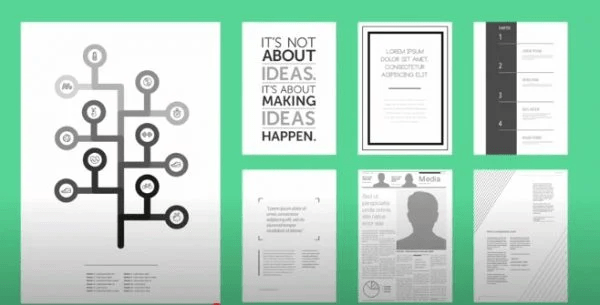
So everything is ultimately a shape. All objects are composed of shapes and all visual elements are shapes in some way. In design, shapes have two dimensions and are measured by their height and width.
Shapes are defined by boundaries such as with lines or colour and can also be created with negative space. shapes are used to add interest and substance to a piece of graphic design work, they can be used to decorate, they can be symbolic, and can be used to create patterns and textures.
Now, there are two types of shapes: Geometric and organic.
Geometric shapes
These are shapes that can be drawn using a ruler or compass. Whether simple or complex, these produce a feeling of control or order.

Organic shapes
These are shapes that can be drawn freehand or shapes found in nature. Organic shapes whether simple or complex produce a natural feel.
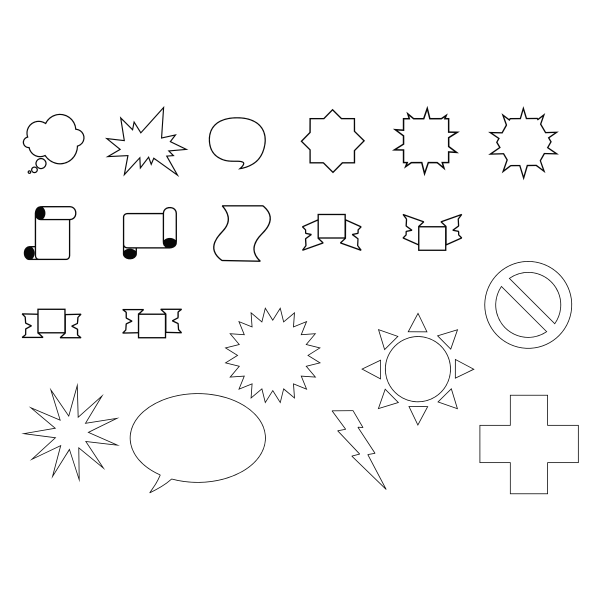
In design, when we begin to place shapes together, we create a relationship between them.
However simple or complex, it’s this relationship between shapes that can trigger feelings, convey messages, engage an audience, add emphasis to a portion of a layout and create movement.
Color
Color theory and the color wheel are useful tools for graphic designers who choose to use a single color or mix several colors in a harmonious or purposefully discordant way.
Any colors in graphic design are classified into distinct groups.
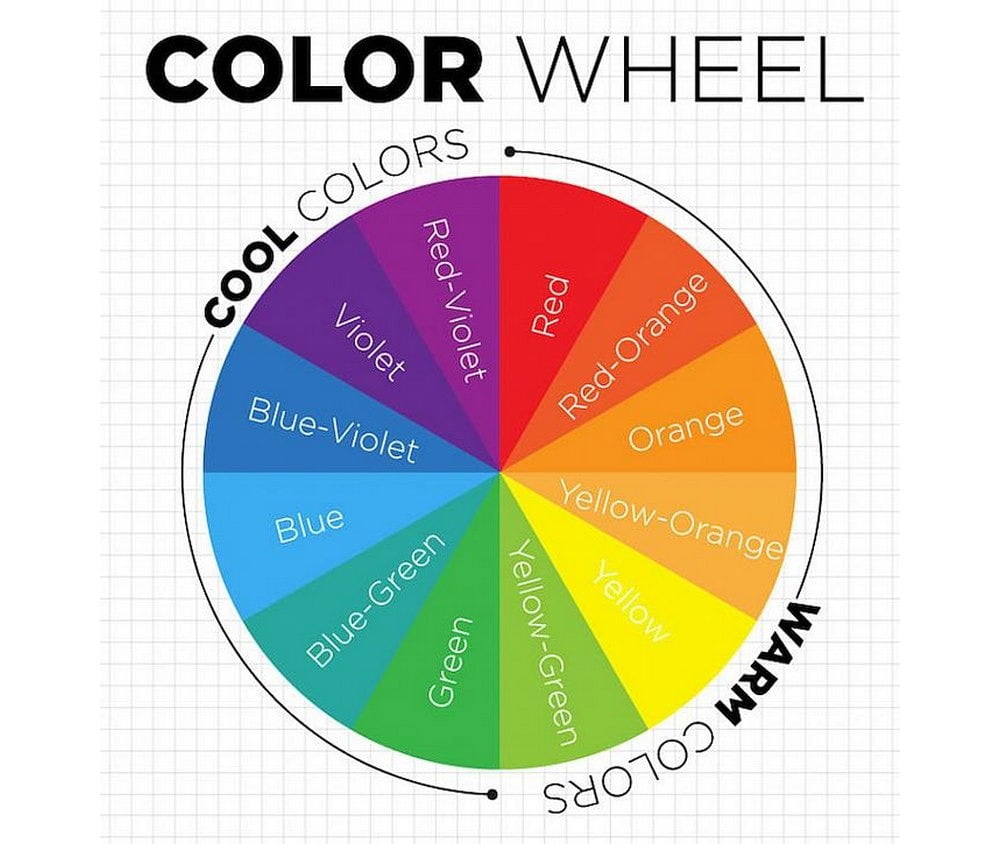
The primary colors, red, yellow, and blue, are the basic pigment colors from which all others are produced. There really is no way to get red, yellow, or blue by combining other colors.
Secondary colors are the direct effects of combining two primary colors: Yellow and red combine to form orange; red and blue combine to form purple; and yellow and blue combine to form green.
Tertiary colors are generated by combining a primary and a secondary color.
Texture
Texture is the way the surface feels or is perceived to feel.
Texture is used to create a visual tone and can influence the look and feel of a piece of graphic design work. Texture is used to attract or repel interest to an element depending on the pleasantness of the texture.
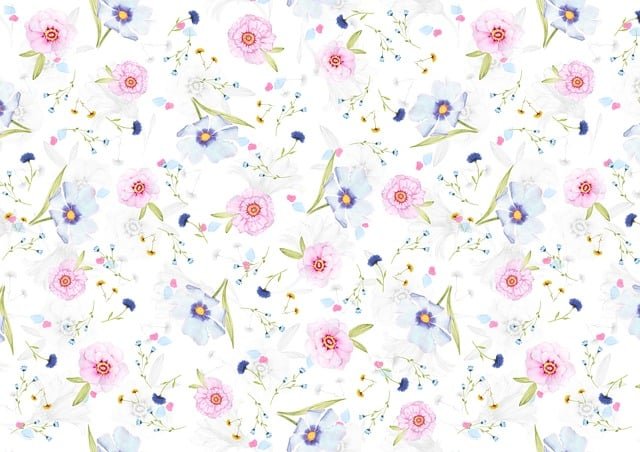
The consistency of a surface is described by its texture, which may be hairy, smooth, gritty, soft, spongy, or shiny. Most graphic designers would physically express texture by using projections to simulate how their art would feel if audiences could contact it. Texture is a vital aspect of making projects look smooth and competent.
Typography
Typography is one of the most commonly used elements in graphic design. Type is the most direct way to communicate visually typically set either as headers or in paragraphs. A single letter in a typeface is a combination of geometric and organic shapes combined together to create a larger shape.
This unique letter shape is an entity and is part of a complete typeface made of other letter shapes. The characteristics of every typeface can be broken down into what is known in design as the anatomy of type.
It’s the type of shapes given to the anatomy of type in each letter that gives the typeface its distinct look and feel. Type is not simply about communicating words, words are important but what can be equally as important is the style of those words the typeface and the way they are arranged on a page.
Typefaces can be part of a family of various weights that can be used to express various tones or create a visual hierarchy in the design. Typefaces are like voices with accents and dialects which have their own distinct pronunciations and characters.

So typefaces don’t just communicate literally they communicate visually for this reason the choice of the typeface used in the design is crucial to set the intended look and feel, set a tone and add character to a piece of work.
Typefaces have evolved over time, the first typefaces were designed to be practical cut out of wooden blocks or cast in lead to work in a print press for mass production. Others have originated from various design movements but what they all have in common is that they have all been created to fulfill a particular purpose and express a particular look and feel.
Today there are many categories of typefaces such as serif, sans serif, slab serif, rounded, script, blackletter, decorative and abstract to name a few, with some sharing characteristics of various categories.
Design throughout history has celebrated the shape and form of type and has shown us that type can be both functional and decorative. The way type has been arranged and the relationship given to it to other elements in compositions has redefined the use of type in design.
So from a practical use to a more creative use, type can be used to communicate literally and to tantalize the visual senses to engage emotionally.
Space
Spacing is an essential component of every designer’s set of tools. It will allow a design more breathing space, maximize its visual effect, smooth out heavy visual elements, and highlight images or messages that audiences can recall. A concept that lacks space risks being too physically cluttered for the audience to appreciate.
Spacing may be used to isolate points or to connect them. Limited spacing among visual items presents a clear relationship, while broader spacing expresses a weaker relationship. Surrounding a visual concept with space emphasizes its significance, but the space may also suggest alienation and solitude.
Image
Images in design focus on visuals to capture the attention of their viewers and convey intended messages. A picture functions on several levels at the same time: it gives meaning for a designer’s communication, it adds needed suspense or action, and it establishes an overall atmosphere.